
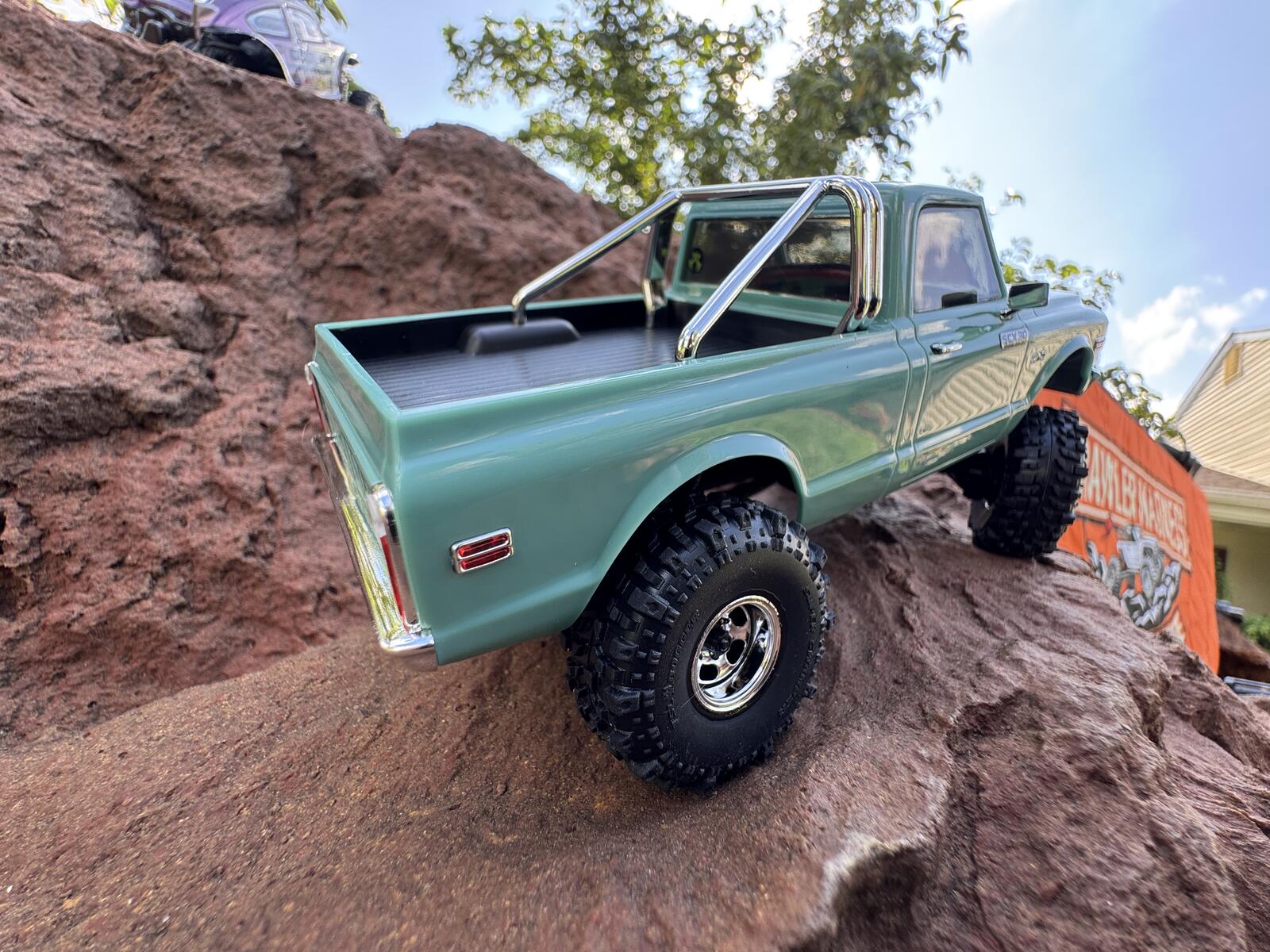
For schools & programmes
STEM you can drive,
for NYC schools.
Gearing, traction, weight transfer and ride height — taught by letting them change it and drive it again.
Every failed climb is a lesson they asked for.
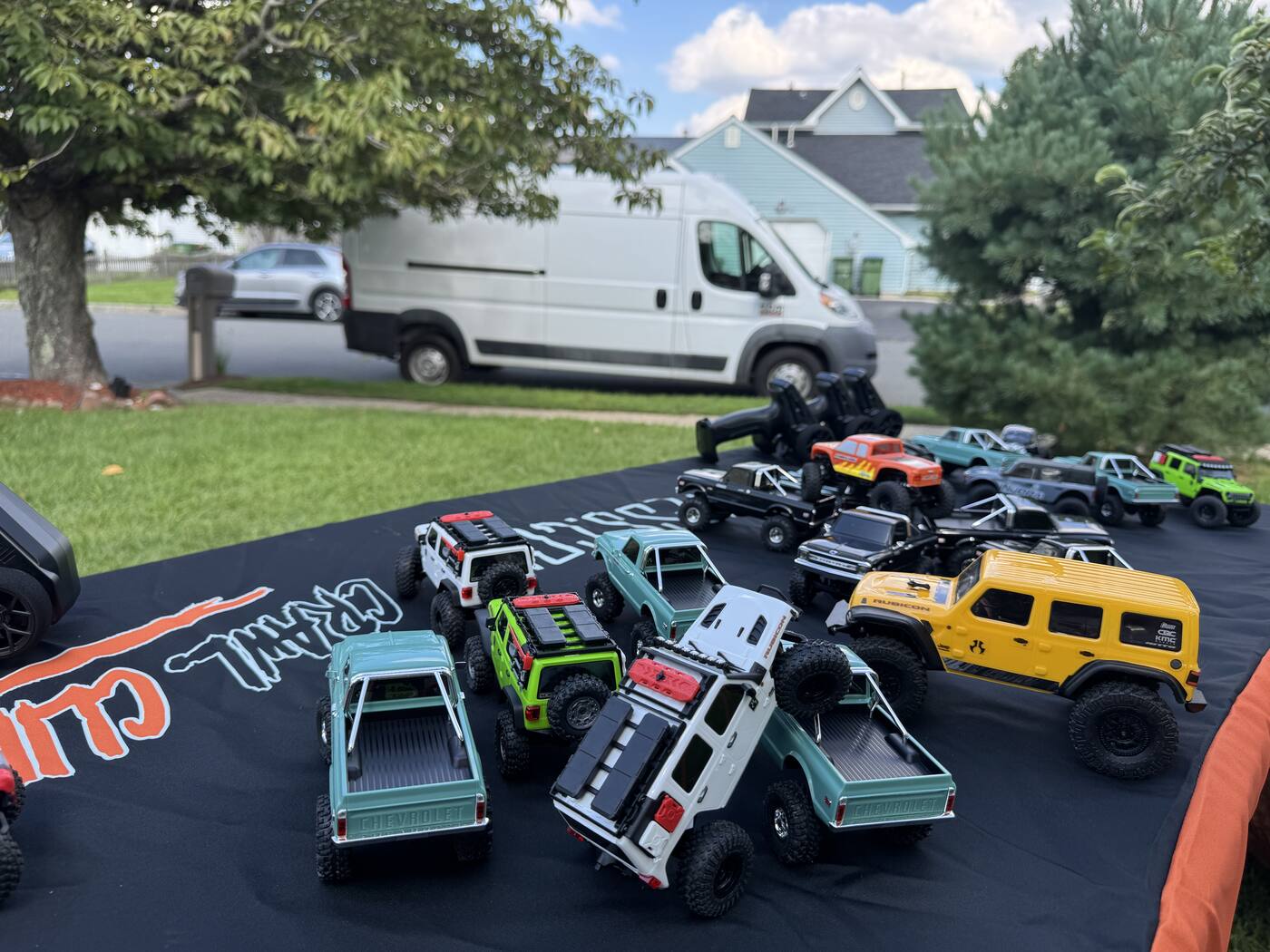
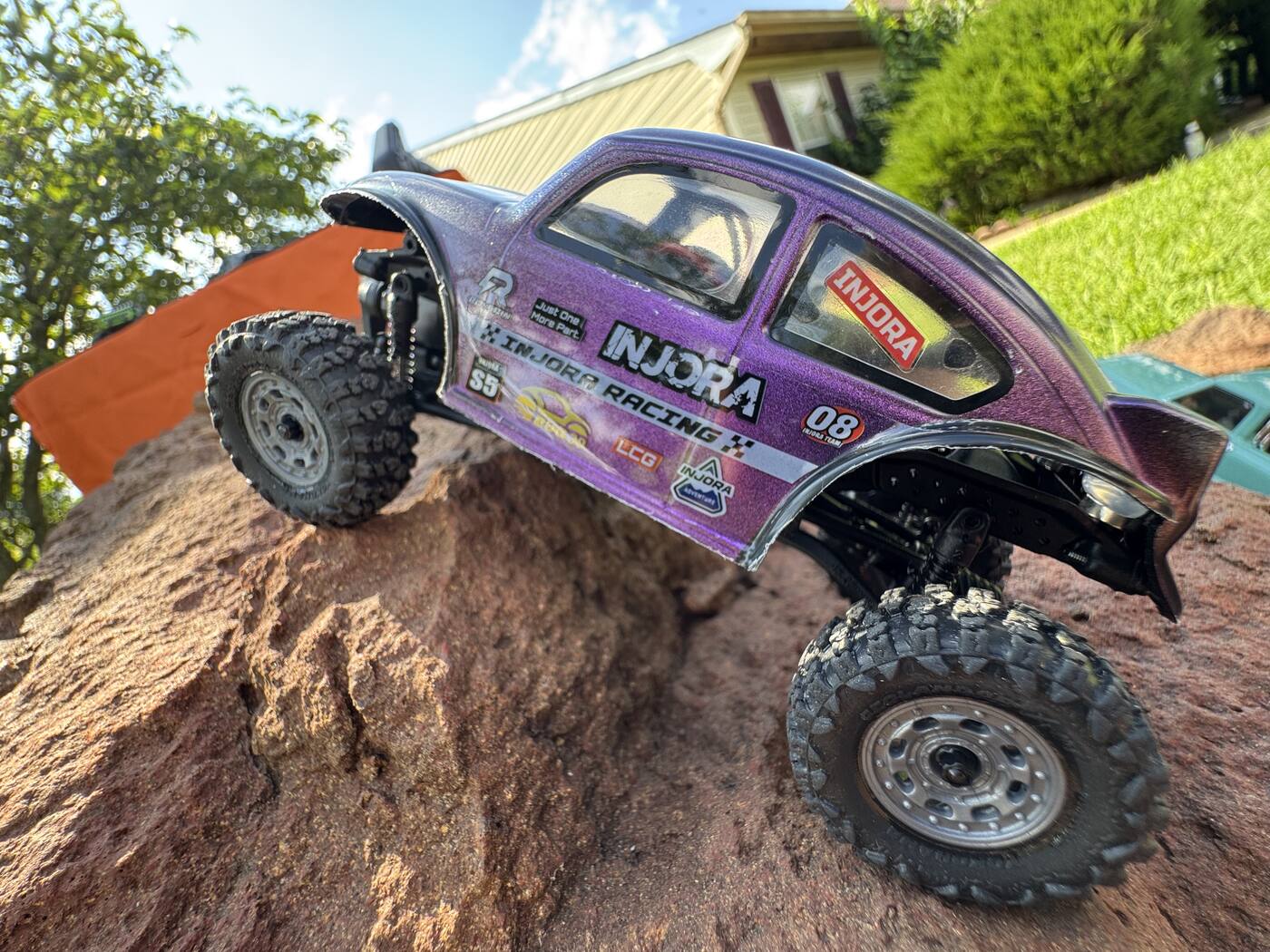
Drivers change ride height, gearing and tyres between runs and watch what it does to the same obstacle. That is the whole of traction, torque and weight transfer, taught by a kid who wants to beat the rock.
Sessions are built and documented as instruction on a published schedule — a single subject, delivered inside your building, under your certificate of occupancy and your supervision.
- Half-day and multi-day formatsSingle-session visits, break-week programmes and after-school runs.
- Runs in your gym, cafeteria or classroomWe bring the course and the crew. Nothing anchored, nothing drilled, nothing left behind.
- PTA and programme friendlyItemised quote, W-9 and certificate of insurance for your PO. We invoice the PTA or the programme, not the parents.
- Scales downBroken into modules, it runs in a single classroom — see the layouts below.
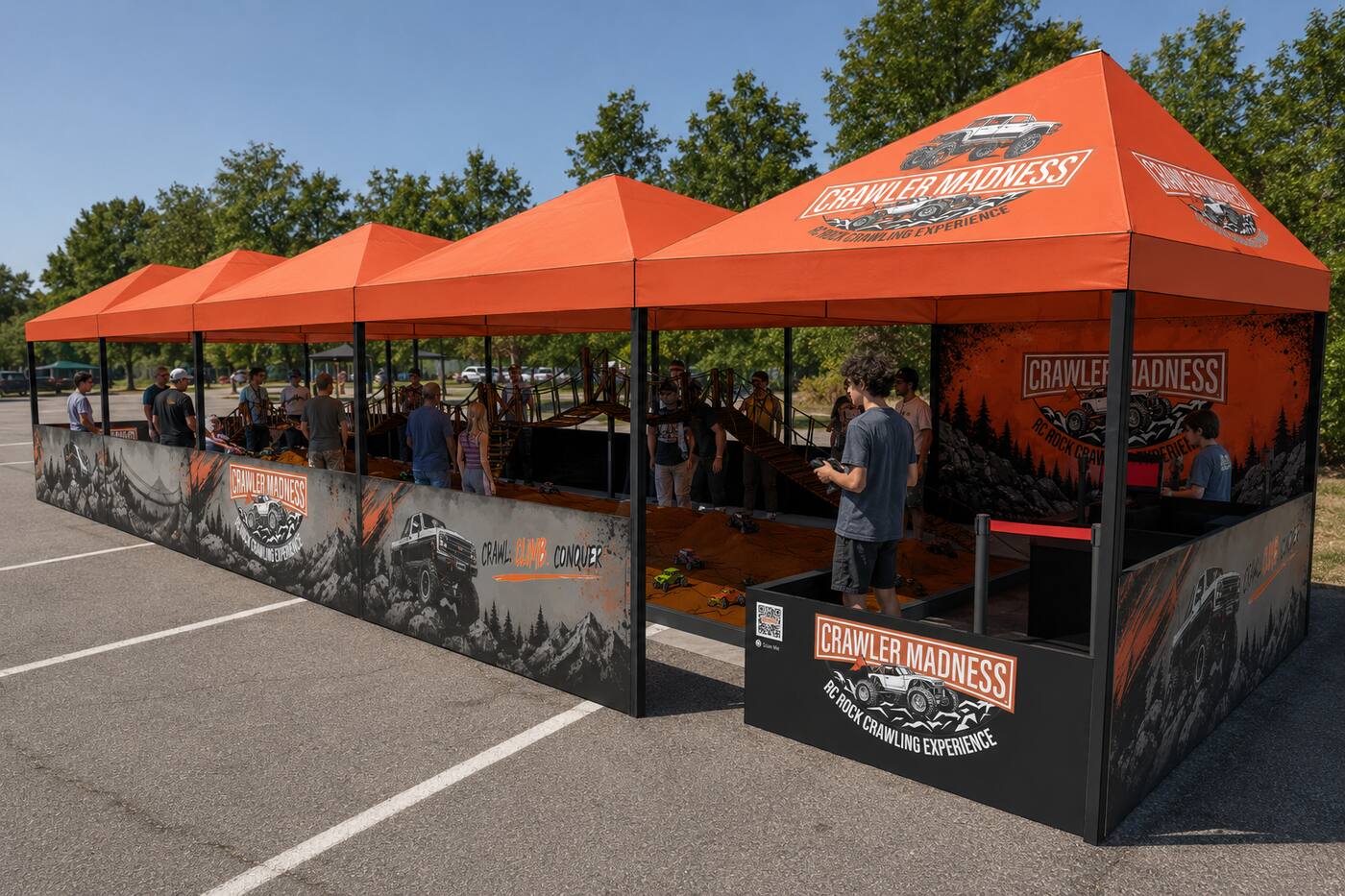
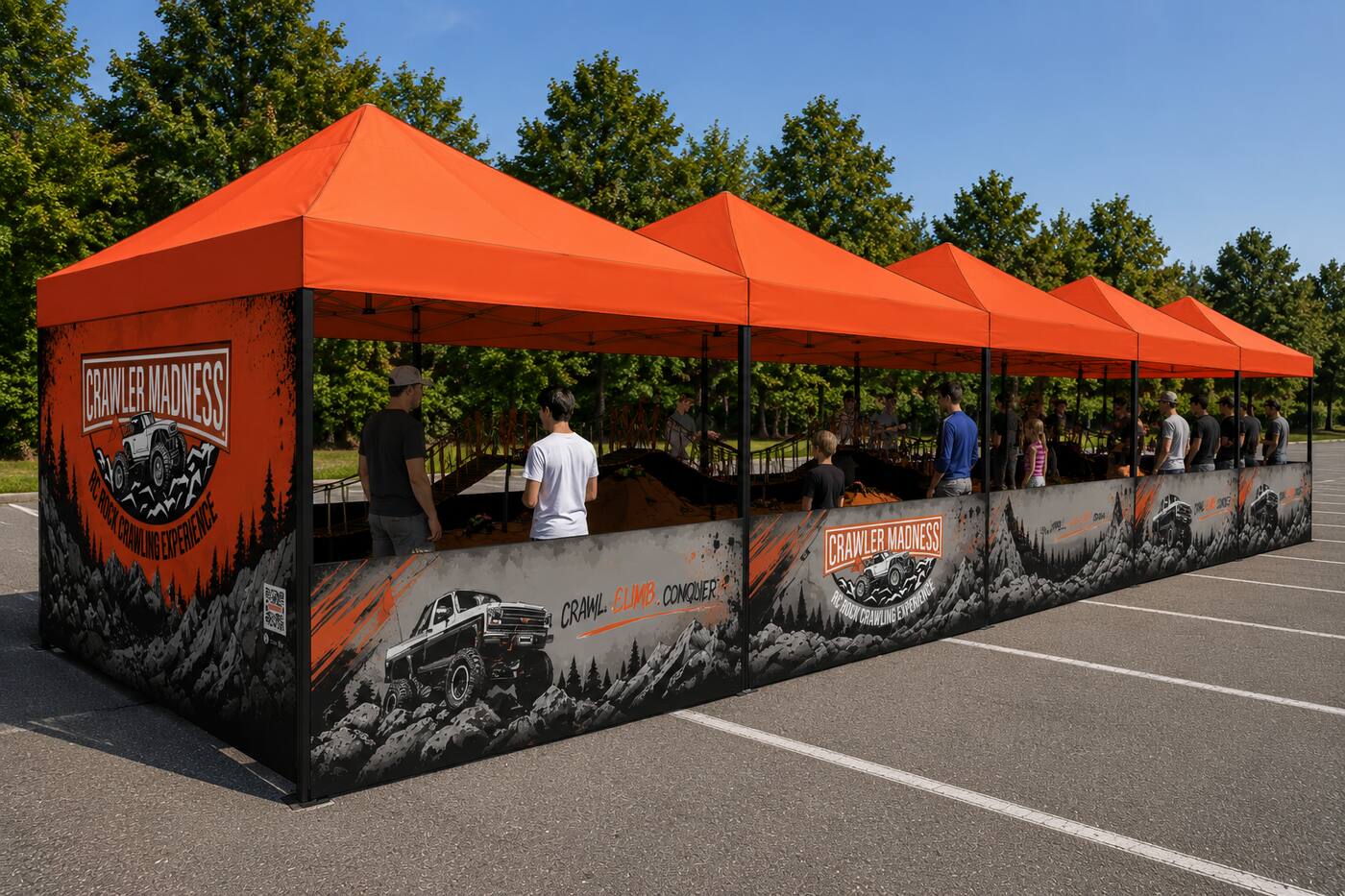

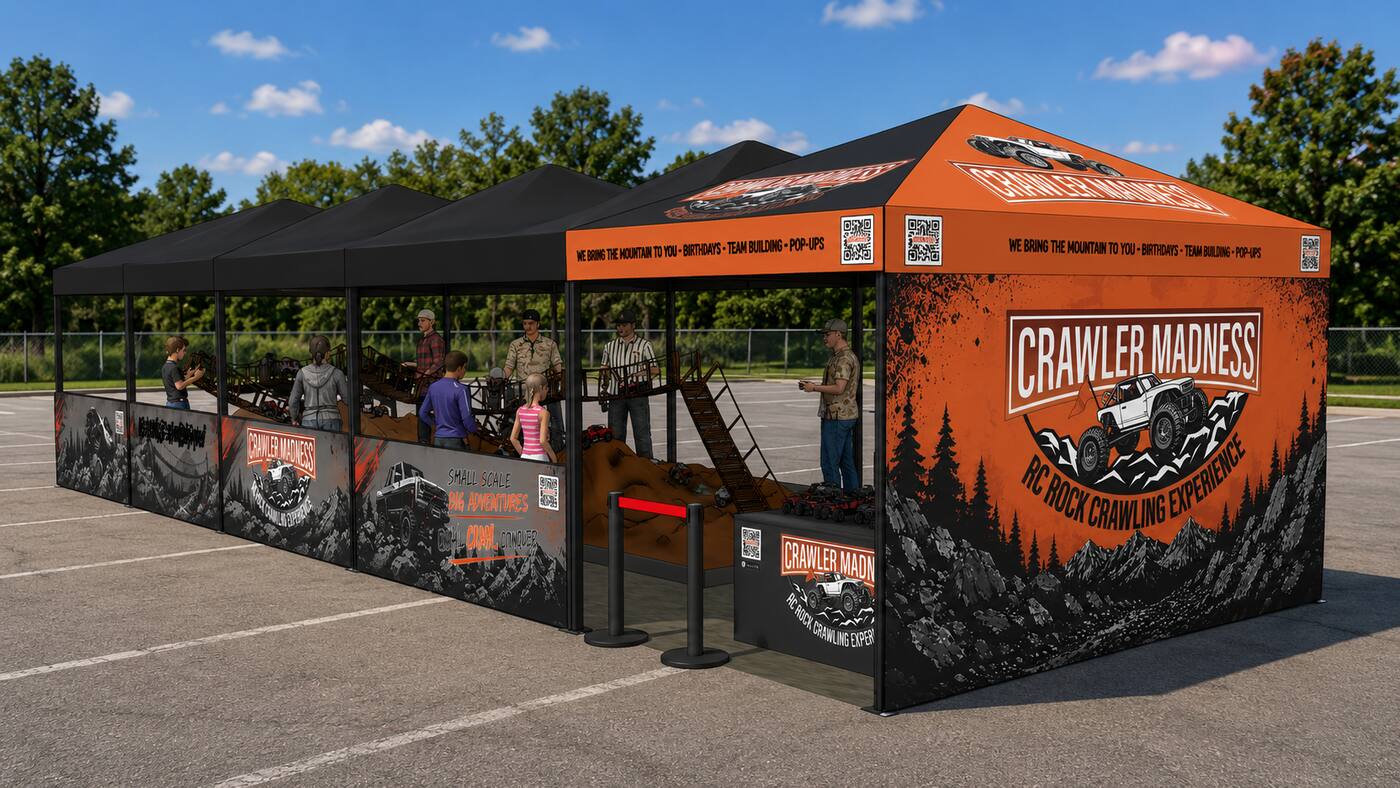
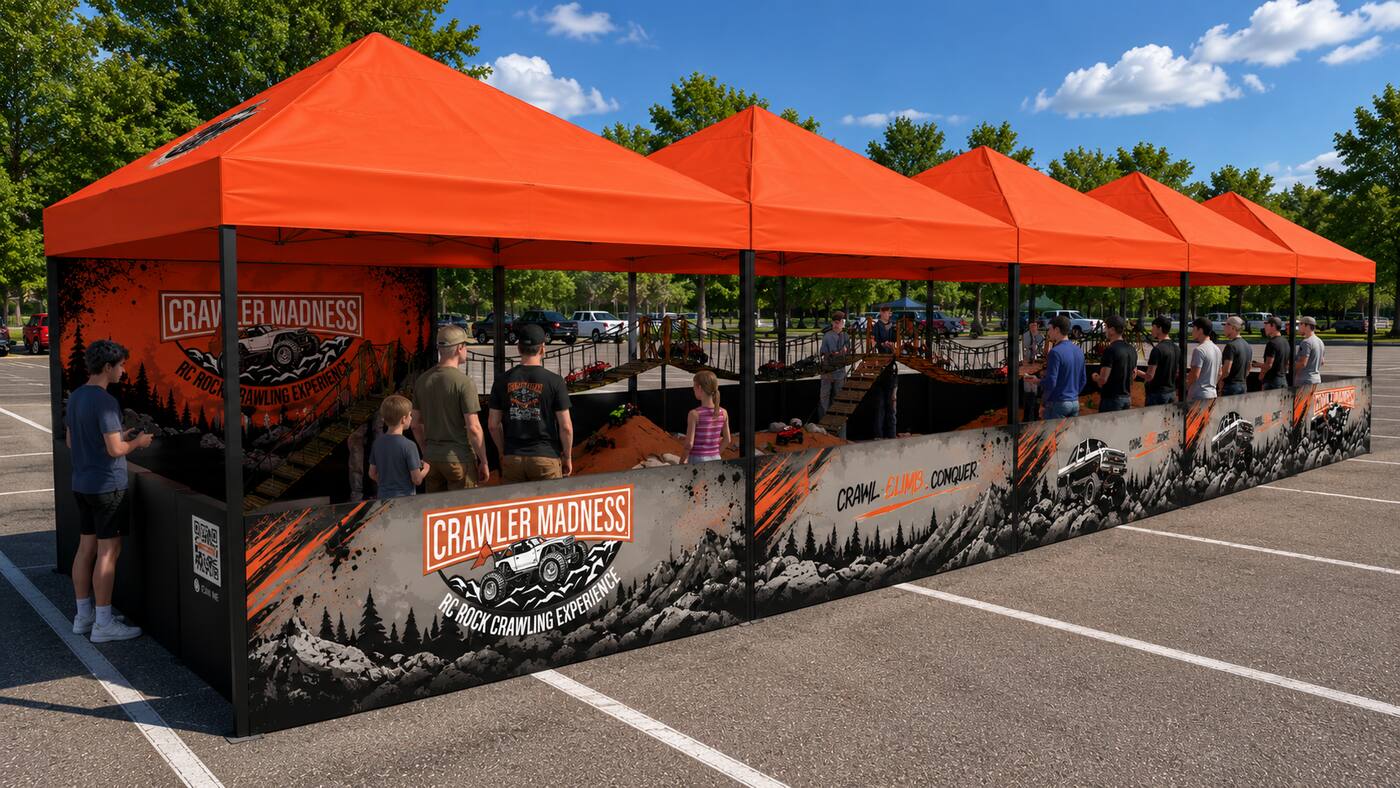

3 footprints = more options
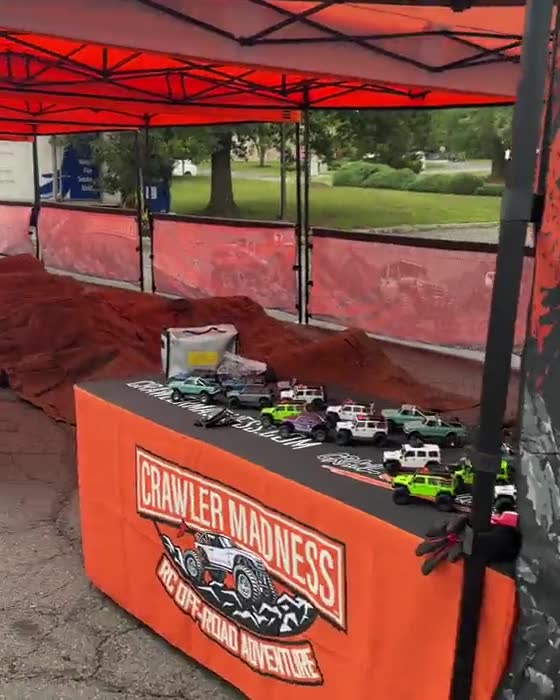
Tents are optional. For private parties & events, any build can run without the tents — indoors or out.
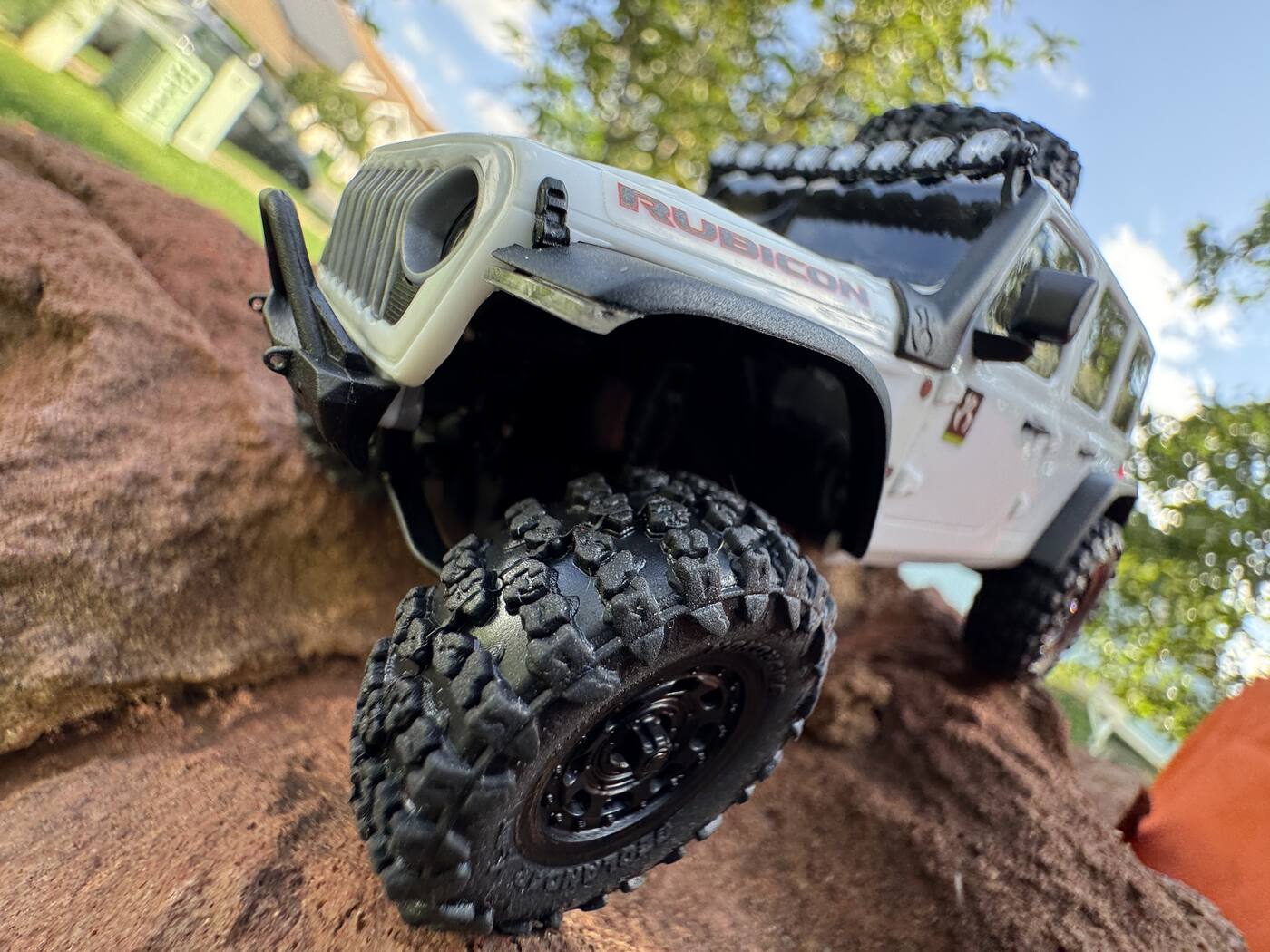
In motion
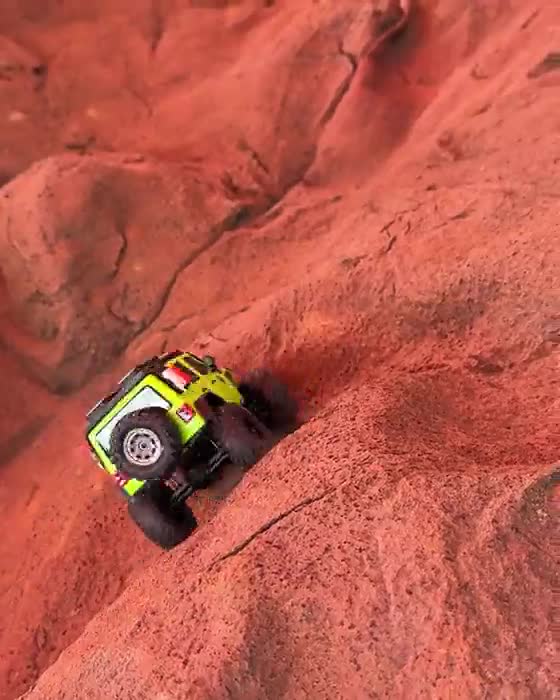
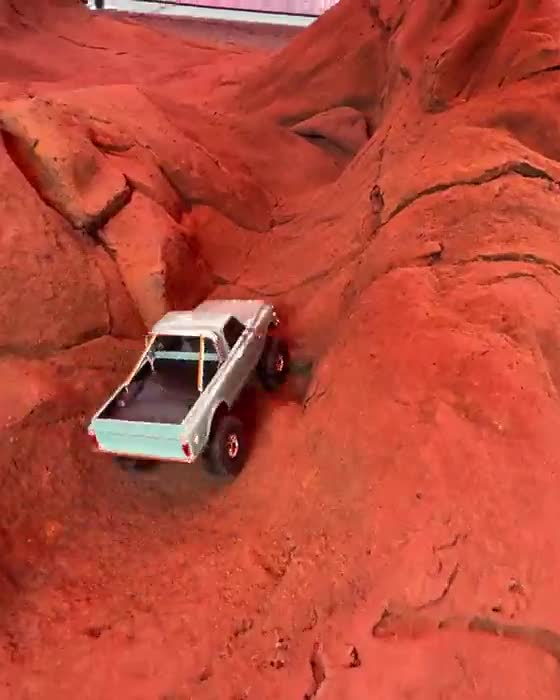
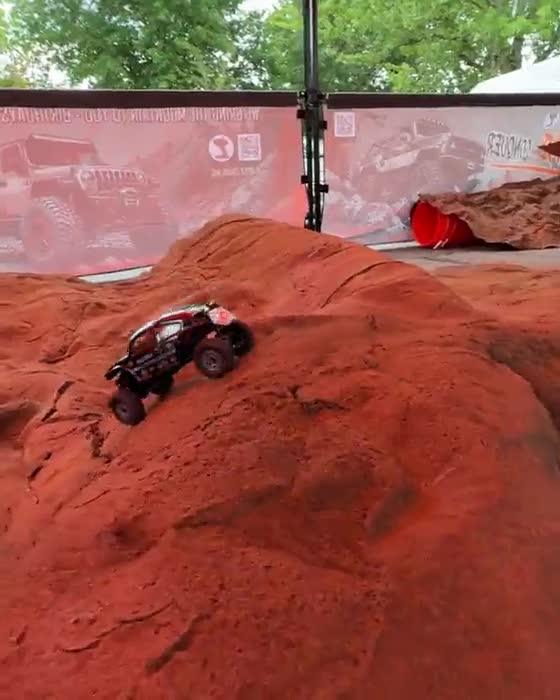
Every failed climb is the lesson.
Change the line, change the gearing, run it again.
The learning
Six variables. One obstacle.
They don’t get told how a vehicle works — they change one thing, run the same rock again and watch what it did. Every idea below is one a driver can feel through the controller within a couple of minutes.
- Centre of gravityRaise the body and it tips on a camber it used to walk across. Lower it and the same line goes clean. They find the limit by rolling it, not by being told where it is.
- Weight distributionShift the load front or back and the same obstacle behaves differently — grip where you put the weight, wheelspin where you took it away. Load transfer, felt rather than explained.
- TractionHow much rubber is actually touching, and what it’s touching. Same driver, same line, different tyres, different outcome.
- Gearing and torqueSlower gearing climbs what faster gearing spins out on, and gives up speed to do it. The trade-off is immediate and it’s theirs to make.
- Suspension and articulationKeeping four wheels loaded across uneven rock. Why a stiff truck falls off an obstacle a softer one walks over.
- Reading a lineThe problem-solving part. Look at the rock, pick the approach angle, commit — then work out why it didn’t go and find a different way in.
The format
Build it. Run it. Change one thing.
Sessions run as short build-and-drive cycles rather than a talk with a demo at the end.
Set it up
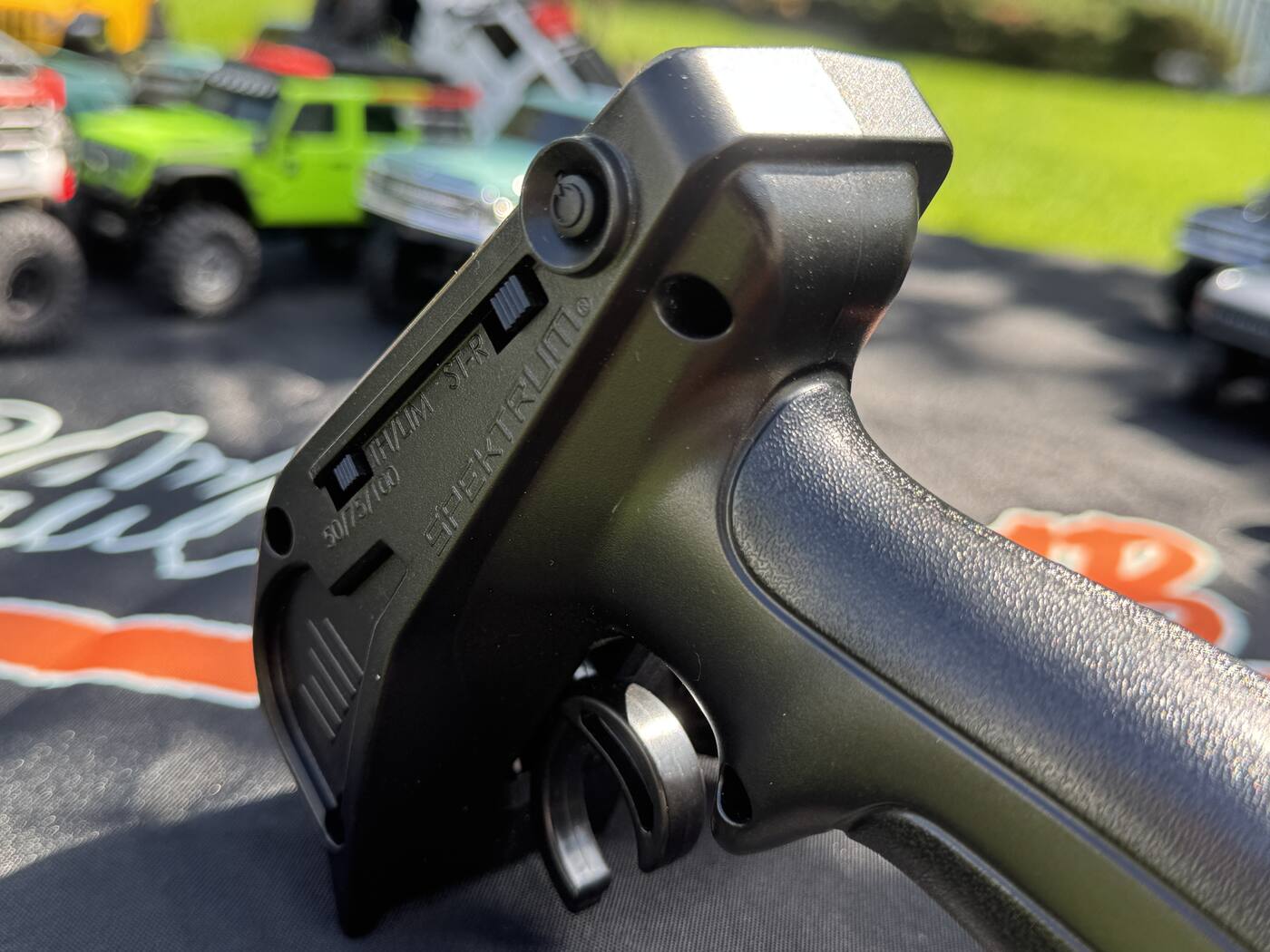
Hands on the rig first — ride height, tyres, where the weight sits. Drivers deliberately start from different setups.
Run the obstacle
Same rock, same line, every driver. What works and what doesn’t is obvious to the whole group at once.
Change one variable
One adjustment, then run it again. Changing a single thing at a time is the whole method, and it’s the part that sticks.
Take the challenge
Head-to-head runs, hardest-line attempts and team problems to finish — where the setup work pays off in front of everyone.
Questions
Schools & STEM FAQs
How many students at once?
Group sizes and session lengths are set with you around your schedule and your space. Ask for a quote with your headcount and we’ll build the format around it.
Do you carry insurance?
Yes. Certificate of insurance on request, naming the school and district as additional insured.
Can the PTA book this directly?
Yes — that’s the usual structure. The PTA or programme contracts us as a vendor and we invoice them directly.
Programming a break week?
Tell us your dates, your grades and your space. We’ll send an itemised quote, a W-9 and a certificate of insurance.